
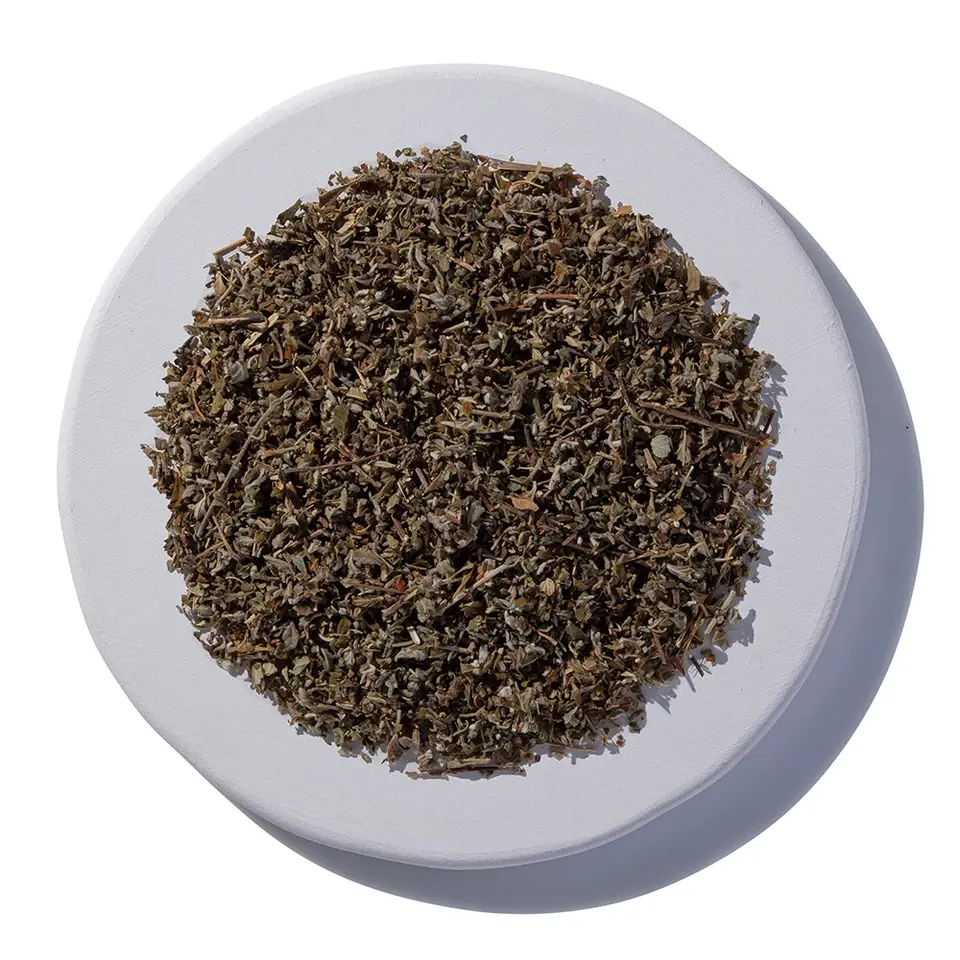
Damiana Leaf Cut and Sifted (Organic)
Botanical Name: Turnera diffusa Willd. ex Schult.
Common Names: Damiana • Damiana Leaf • Mexican Damiana • Turnera
Plant Family: Passifloraceae (Passionflower Family)
Product Type: Dried Loose Herbal Leaves
Herbal Classification: Traditional Nervine • Aromatic Botanical • Traditional Aphrodisiac • Traditional Digestive Herb
Product Description
Discover Damiana Leaf (Turnera diffusa), an aromatic botanical native to Mexico, Central America, the Caribbean, and parts of the southern United States, recognized for its small leaves, yellow flowers, and longstanding place in regional herbal traditions.
Damiana has historically been incorporated into botanical preparations associated with relaxation, digestive comfort, sexual wellness, and general vitality.
Particularly recognized in Mexican and Central American herbal traditions, damiana has been prepared as an infusion and included in various traditional herbal formulas.
Its distinctive aroma and slightly bitter, earthy flavor make it an interesting addition to traditional botanical teas and aromatic herbal blends.
Damiana contains naturally occurring flavonoids, phenolic compounds, and volatile oils that contribute to its botanical profile and have attracted preliminary scientific interest.
Although damiana has a longstanding reputation as a calming herb and traditional aphrodisiac, reliable human clinical evidence supporting these effects remains limited.
Flavonoids
Damiana contains flavonoids, including apigenin-related compounds and other naturally occurring plant constituents.
Botanical Significance: Flavonoids contribute to damiana's phytochemical profile and have attracted interest in laboratory studies involving antioxidant and nervous system pathways.
Phenolic Compounds
Damiana contains phenolic compounds involved in plant metabolism and protection.
Botanical Significance: These compounds contribute to its antioxidant chemistry, although laboratory findings do not establish specific clinical benefits from damiana tea.
Volatile Oils
Damiana contains naturally occurring volatile compounds that contribute to its characteristic fragrance.
Botanical Significance: These aromatic constituents help distinguish damiana's sensory profile and contribute to its traditional use in botanical preparations.
Arbutin & Related Glycosides
Damiana has been reported to contain arbutin and related plant glycosides, with concentrations varying by source and preparation.
Botanical Significance: These constituents contribute to scientific interest in damiana's chemistry, but their presence does not establish therapeutic benefits or safety at concentrated doses.
Nervous System
Damiana has historically been classified as a nervine in Western herbalism.
Traditional Areas of Interest:
Occasional nervous tension.
Traditional calming herbal infusions.
Relaxation after demanding days.
General nervous system wellness.
Herbal Perspective: Preliminary laboratory and animal research has explored damiana's effects on nervous system pathways. However, reliable human clinical studies have not established damiana as an effective treatment for anxiety, depression, or other neurological conditions.
Reproductive System
Damiana has a longstanding reputation as a traditional aphrodisiac.
Traditional Areas of Interest:
Historical botanical formulas associated with libido.
Traditional sexual wellness preparations.
General reproductive vitality.
Botanical traditions associated with intimate well-being.
Herbal Perspective: Animal studies have investigated damiana extracts for potential effects on sexual behavior. Reliable human evidence is insufficient to establish that damiana improves libido, sexual function, fertility, or hormone levels.
Digestive System
Damiana has historically appeared in herbal preparations associated with digestive wellness.
Traditional Areas of Interest:
Traditional after-meal herbal infusions.
Occasional digestive discomfort.
Aromatic botanical preparations.
General digestive wellness traditions.
Herbal Perspective: Damiana's digestive uses are historically documented, but clinical evidence establishing effectiveness for indigestion, bloating, or gastrointestinal disorders remains limited.
General Vitality
Damiana has historically been included in herbal formulas associated with overall vitality and well-being.
Traditional Areas of Interest:
Traditional restorative herbal blends.
Botanical preparations associated with everyday wellness.
Historical formulas for general vitality.
Relaxation-focused herbal routines.
Herbal Perspective: Damiana is sometimes described as a tonic herb, but reliable clinical evidence does not establish that it increases energy, improves endurance, or treats fatigue.
Additional Traditional Wellness Areas
Traditional Nervine Formulas: Historically included in botanical preparations associated with relaxation and nervous system comfort.
Sexual Wellness Traditions: Recognized for its longstanding reputation as a traditional aphrodisiac.
Digestive Herbal Blends: Incorporated into aromatic herbal infusions associated with digestive comfort.
Mexican Herbal Heritage: Associated with regional herbal practices and generations of botanical knowledge.
Botanical Education: Offers opportunities to explore flavonoids, aromatic plant chemistry, and the distinction between traditional use and modern scientific evidence.
Traditional Herbal Infusion
Add approximately 1 teaspoon of dried damiana leaf to 8 ounces of hot water.
Cover and steep for 5–10 minutes.
Strain thoroughly.
Enjoy warm or allow to cool.
This describes a traditional preparation method, not a clinically established therapeutic dose. Safety information for frequent or concentrated consumption is limited.
Herbal Blending
Damiana's earthy, slightly bitter flavor may complement lemon balm, peppermint, rose petals, and other compatible botanicals in traditional herbal infusions.
Botanical Education
Damiana may be incorporated into educational displays exploring traditional Mexican herbalism, plant chemistry, and historical botanical preparations.
Cautions
Pregnancy: Avoid damiana during pregnancy because reliable safety information is insufficient and reproductive effects have not been adequately studied.
Breastfeeding: Avoid medicinal use because safety data are lacking.
Blood Sugar: Preliminary research suggests possible effects on glucose regulation. Individuals with diabetes or taking blood-sugar-lowering medications should seek professional guidance.
Sedative Medications: Potential interactions with sedating medications have not been adequately studied. Use caution.
Seizure Disorders: Safety in individuals with seizure disorders is not established. Avoid concentrated preparations without medical guidance.
High-Dose Use: Avoid excessive quantities and concentrated extracts. Safety data are limited, and adverse effects have been reported with unusually large amounts.
Children: Medicinal use is not recommended without qualified healthcare guidance.
Medication Interactions: Comprehensive interaction studies are lacking. Consult a healthcare professional before combining damiana with prescription medications.
Surgery: Inform your surgical team about herbal supplement use and follow their instructions regarding discontinuation before procedures.
Allergies: Discontinue use if rash, itching, swelling, or other allergic symptoms develop.
Botanical Identification: Confirm Turnera diffusa, as products sold under the name damiana may contain other Turnera species.
Storage: Keep dried damiana leaf in an airtight container away from moisture, heat, and direct sunlight.
This product is offered as a traditional botanical herb and is not intended to diagnose, treat, cure, or prevent disease.
May Support:
Nervous System, Reproductive System, Digestive System, Respiratory System