

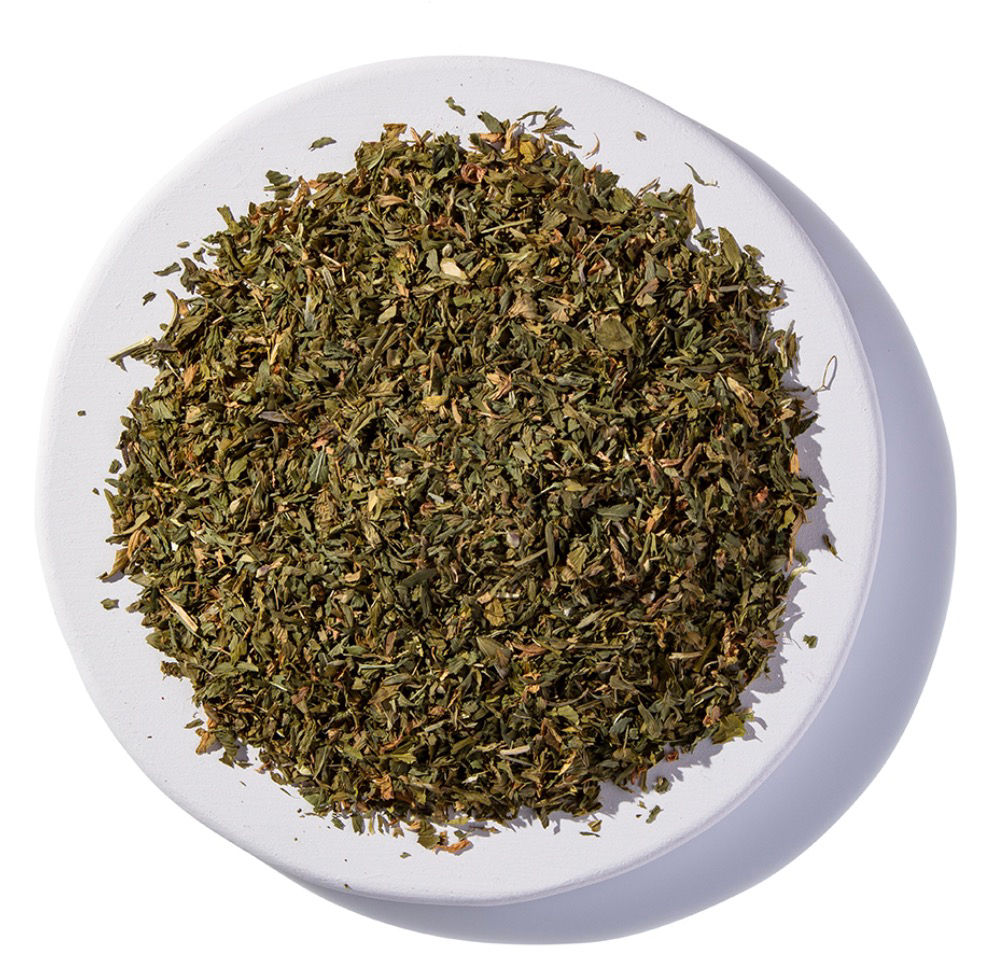
Alfalfa Leaf (Organic)
Benefits of Alfalfa
1. Nutrient-dense
Rich in vitamins A, C, E, and K
Contains minerals like calcium, magnesium, potassium, and iron
Good source of plant protein (especially in sprouted form)
2. Supports digestion
High in fiber (especially leaves and sprouts)
May help promote healthy gut bacteria and regular bowel movements
3. May help with cholesterol
Some studies suggest it can help lower LDL (“bad”) cholesterol levels
Works by binding cholesterol in the digestive tract
4. Hormonal support
Contains phytoestrogens (plant-based compounds that mimic estrogen)
Sometimes used to ease menopause symptoms like hot flashes
5. Anti-inflammatory & antioxidant
Contains compounds that may reduce inflammation
May help protect cells from oxidative stress
6. Blood sugar support
Early research suggests it may help regulate blood sugar levels
🌿 Common Uses
Tea (from dried leaves)
Sprouts (added to salads, sandwiches)
Powder/capsules (supplement form)
Topical use (less common, sometimes in herbal skin blends)
⚠️ Precautions & Risks
1. Autoimmune conditions
Alfalfa seeds and sprouts contain L-canavanine, which may trigger or worsen autoimmune conditions like Lupus
Avoid if you have autoimmune disorders unless guided by a professional
2. Medication interactions
High vitamin K content can interfere with blood thinners like Warfarin
May also interact with hormone-related medications
3. Pregnancy & breastfeeding
Not recommended in large amounts due to hormonal effects
Small food amounts (like sprouts) are usually considered okay, but supplements should be avoided
4.Digestive upset
Large amounts may cause gas, bloating, or diarrhea in some people
5. Photosensitivity (rare)
In very high doses, may increase sensitivity to sunlight
🌱 Bottom Line
Alfalfa can be a powerful, nourishing herb when used thoughtfully—especially for general nutrition and gentle hormonal support. But it’s not ideal for everyone, particularly if you have autoimmune conditions or take certain medications.